AI & Digital Media · Portfolio 2026

Building toolsthat make learningactually stick.

I'm Runzhi Guo — a computer-science graduate who designs and builds self-driven learning products. I turn my own study problems into working software: spaced review, instant feedback, interfaces built to be used again tomorrow.

My work sits where AI, interaction design and communication meet: I design digital products around how people actually receive information, stay engaged and change their behavior — the questions at the heart of AI and digital media.
3Featured projects
16k+Sentences in library
7.9kQuestions in banks
Scroll to explore
01 / Selected Work
Things I built
for real, and still use.
Every project started as a personal problem, was tested daily in my own study routine, and shipped as a working product — not a mockup.
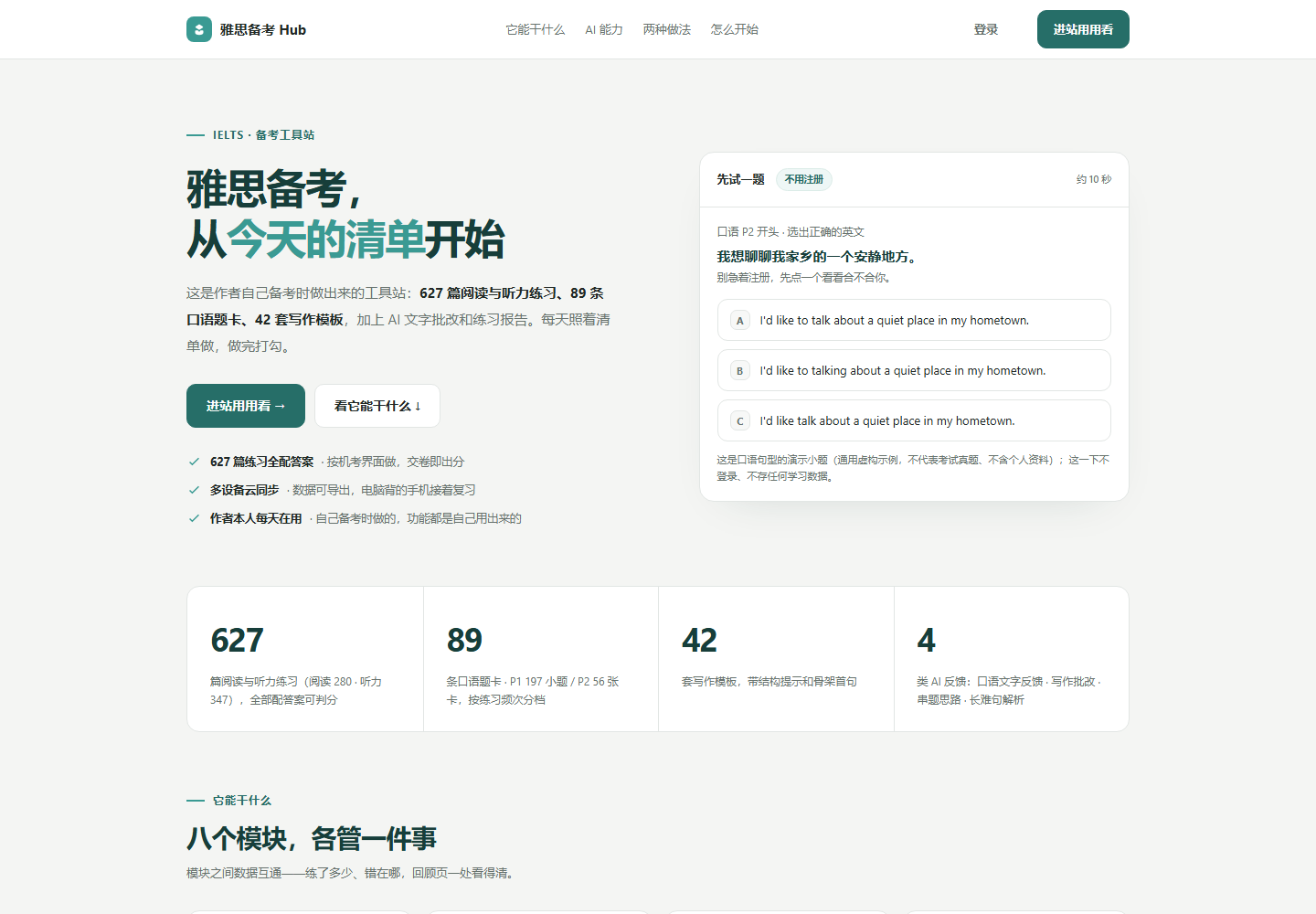
01IELTS Study Hub01
Flagship · Web Platformyasihub.com ↗
SOLO PROJECT · DESIGN & DEVELOPMENT

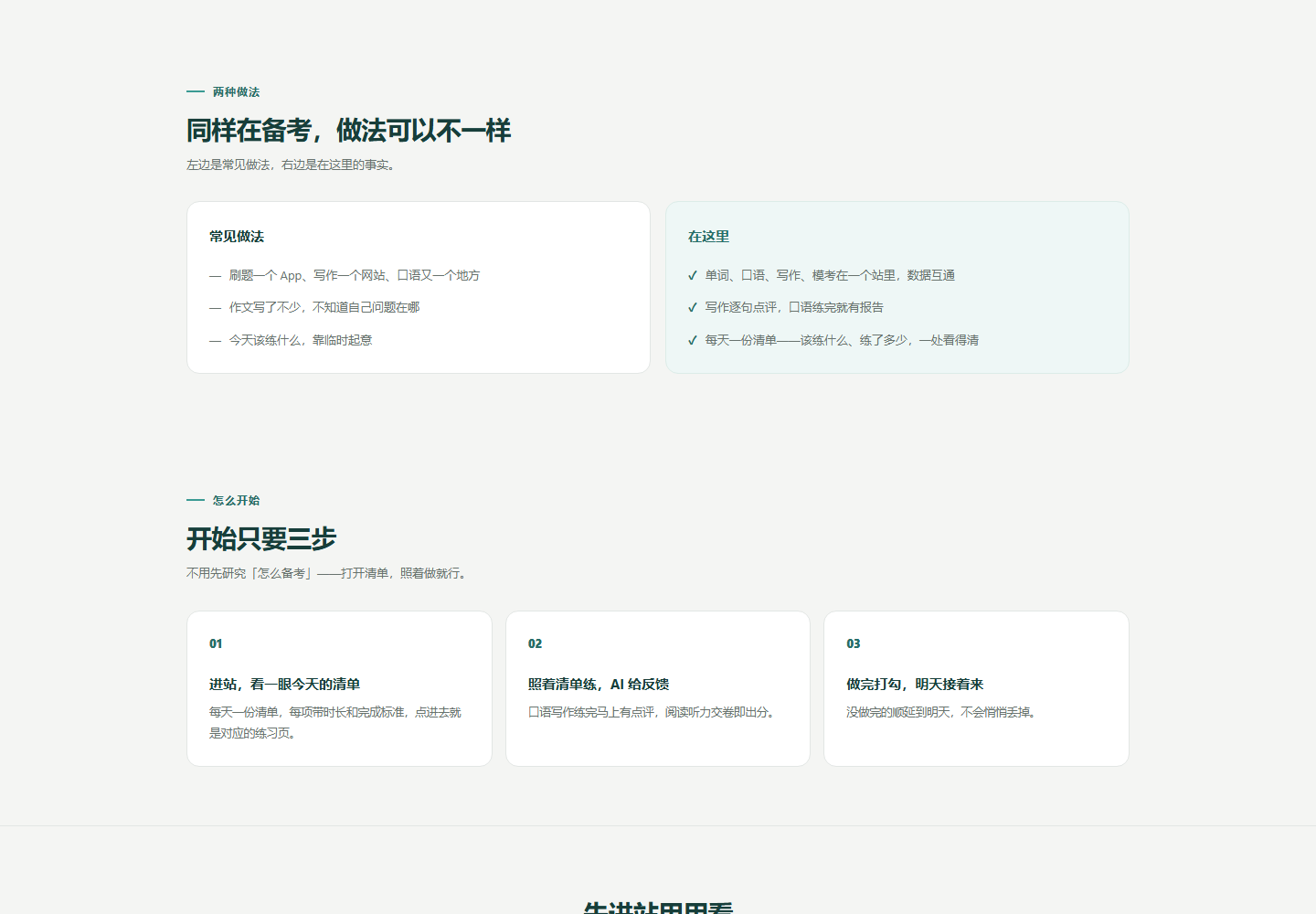
A full exam-prep ecosystem, built while preparing for the exam myself.

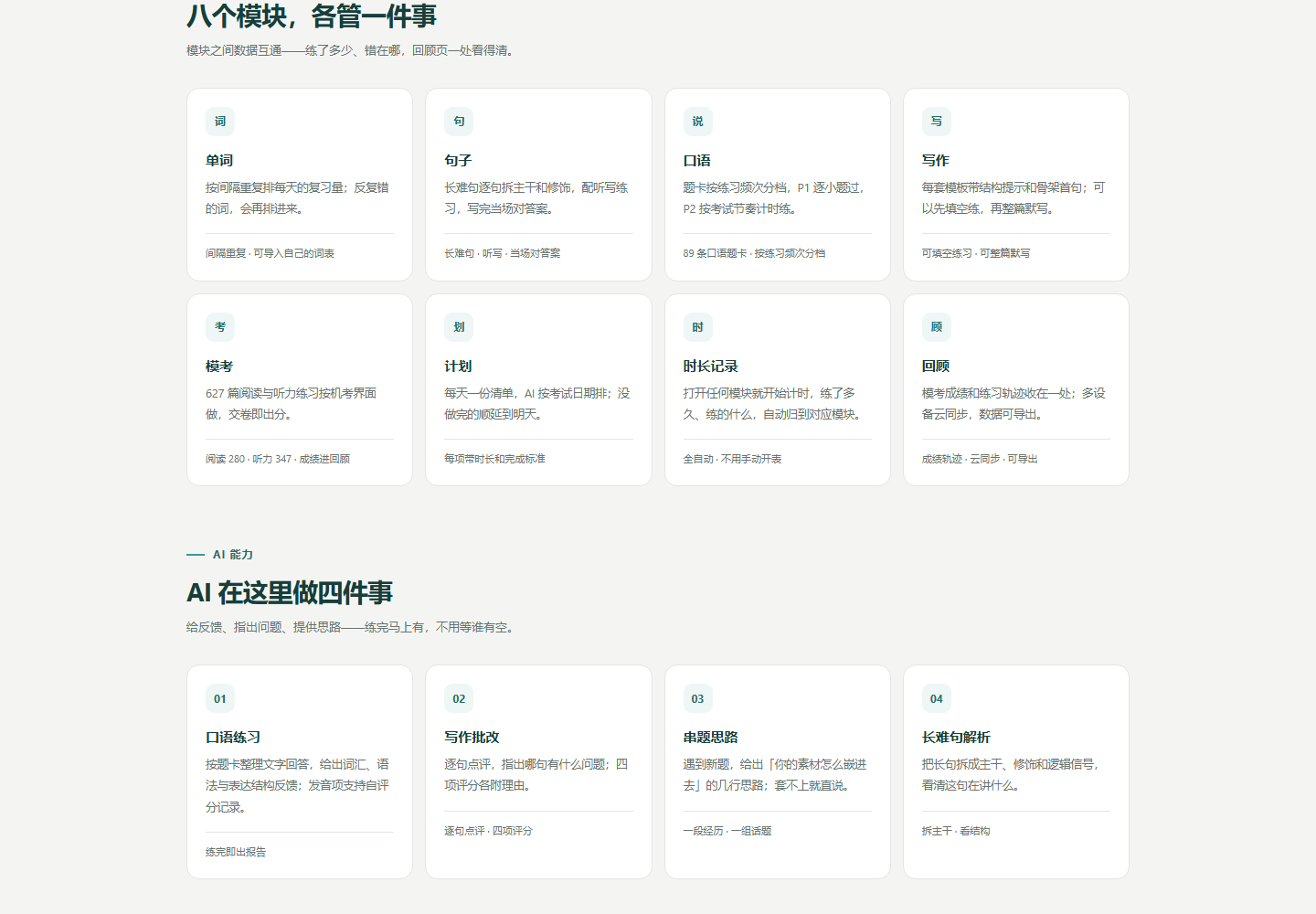
A self-driven study platform with 627 reading & listening exercises, 89 speaking prompt cards and 42 writing templates. Its differentiator: an offline AI pipeline — I pre-generated fixed explanations and Chinese translations for 40,723 sentences with a local model, so feedback appears instantly without any API call.

Eight modules share one progress system; it syncs across devices, and I open it every day.

627Exercises
40.7kSentences translated
8Modules
Offline NLPLocal ML translationProgress syncResponsive SPA
Visit live site ↗
02Sentence Typing Machine02
Interaction Design · Language Learningsentence-typing-site.pages.dev ↗
SOLO PROJECT · DESIGN & DEVELOPMENT

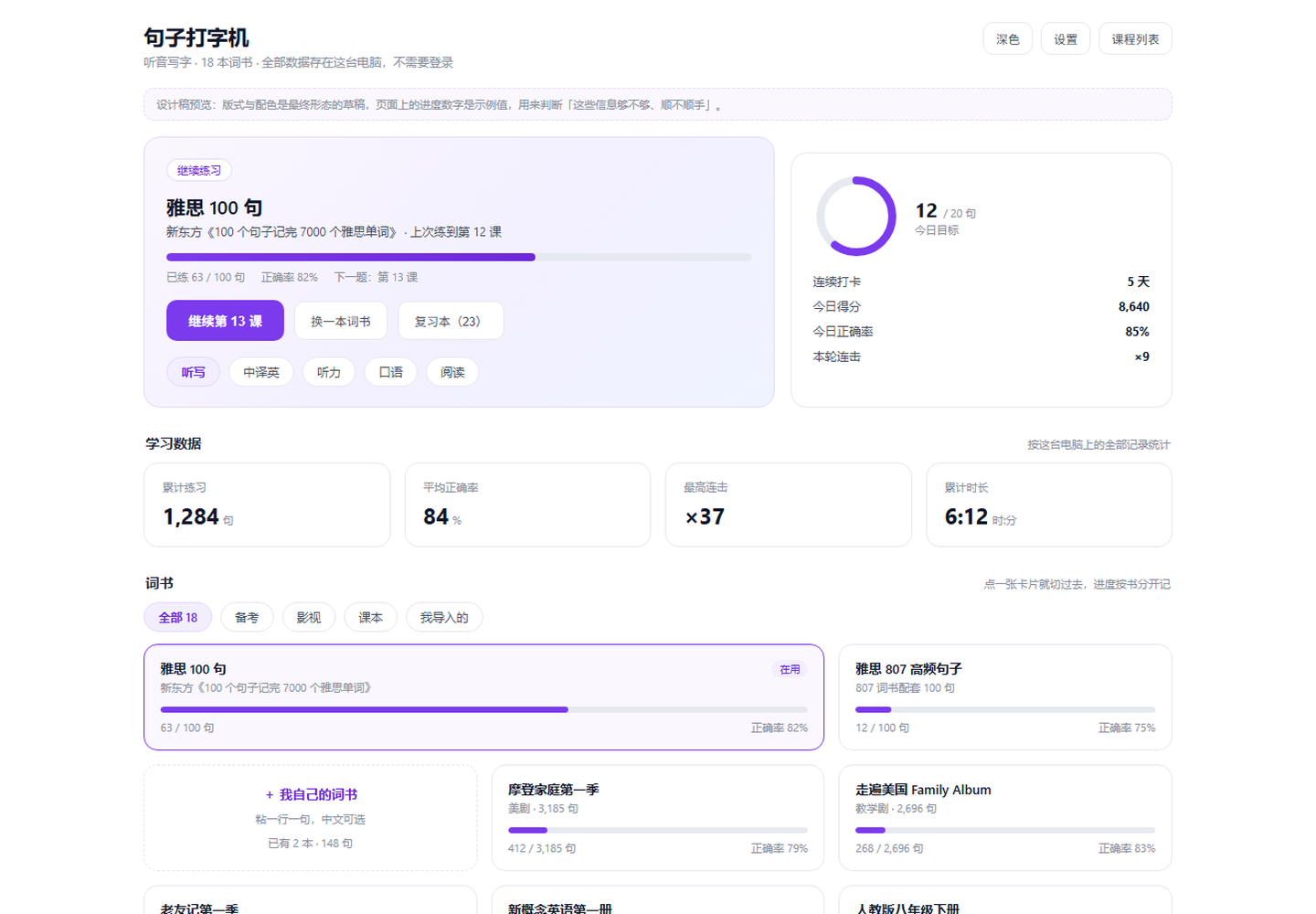
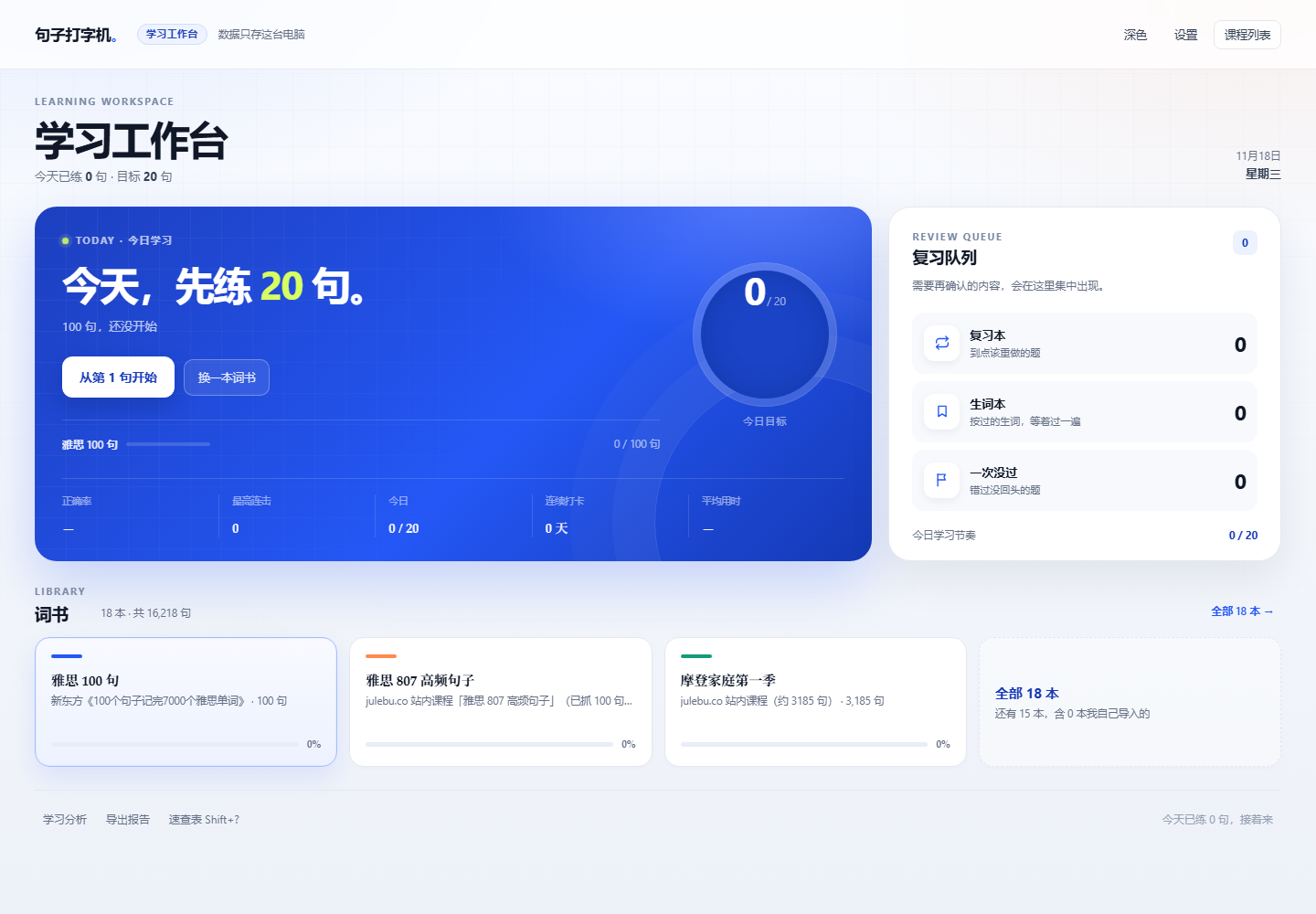
Learning 16,000 sentences by typing them — with sound, streaks and a nine-panel control room.

An offline, zero-dependency typing app inspired by julebu.co. It pairs each sentence with Chinese translation, audio playback and typing feedback, then tracks accuracy, speed and streaks across 16 curated books / 16,018 sentences.

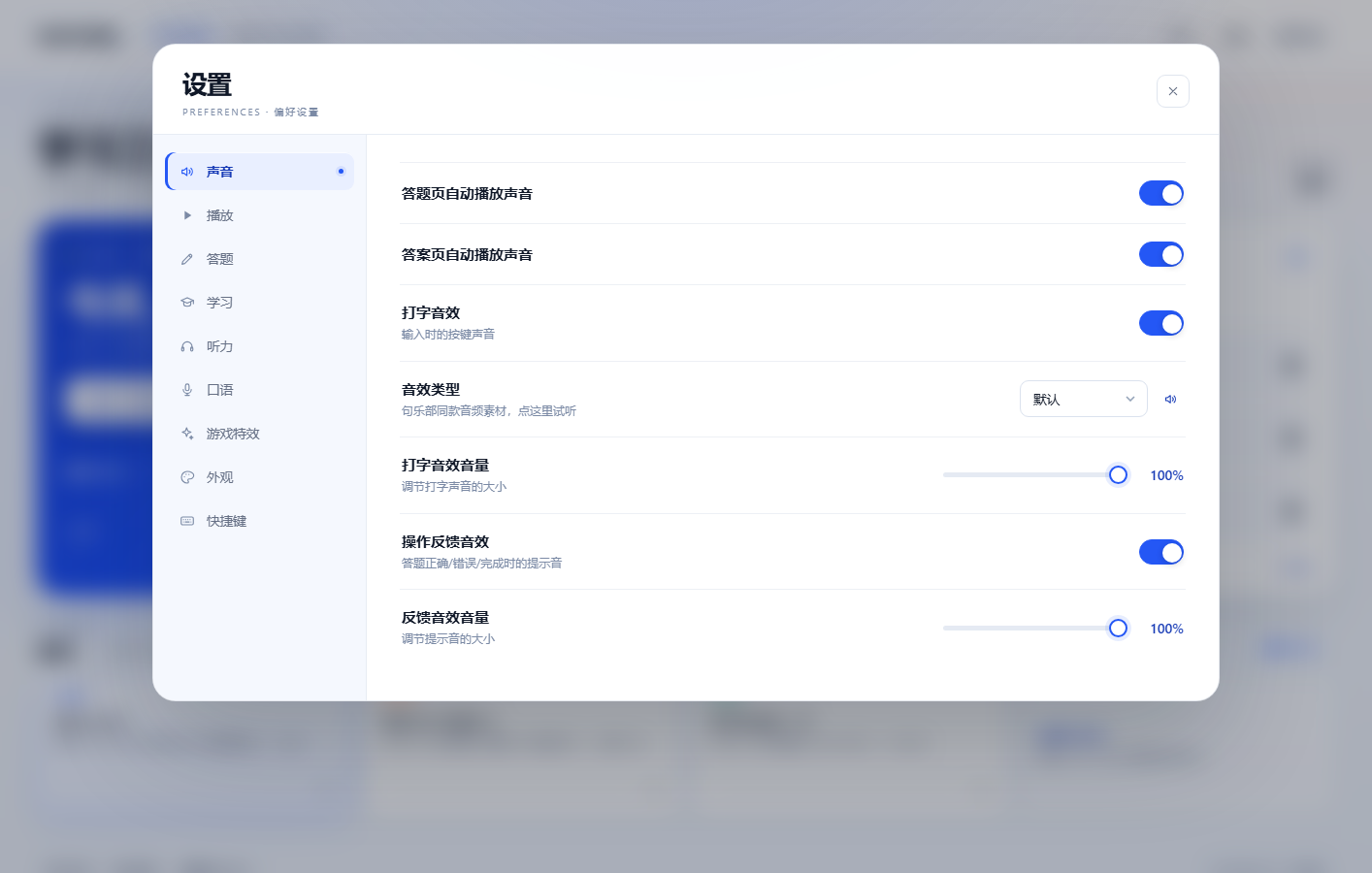
I designed the data pipeline, the practice loop and a nine-tab settings system spanning sound, playback, answer behavior, listening and speaking modes — plus learning analytics, custom books and markdown/CSV reports. Built as a file:// static app that runs with no network at all. The interface went through a full redesign in late 2026 — from a card-heavy draft to a calm daily workspace built around a 20-sentence target.

16,018Sentences
9Settings panels
0Dependencies
Interaction designData architectureTTS audioOffline-first
Visit live site ↗
Sentence Typing Machine after the workspace redesign
Sentence Typing Machine before the redesign
BeforeAfter
‹›
October draft → daily workspaceDrag to compare
03Vocational Exam Quiz03
Visual System · Study Productgaojigong-quiz.pages.dev ↗
SOLO PROJECT · DESIGN & DEVELOPMENT

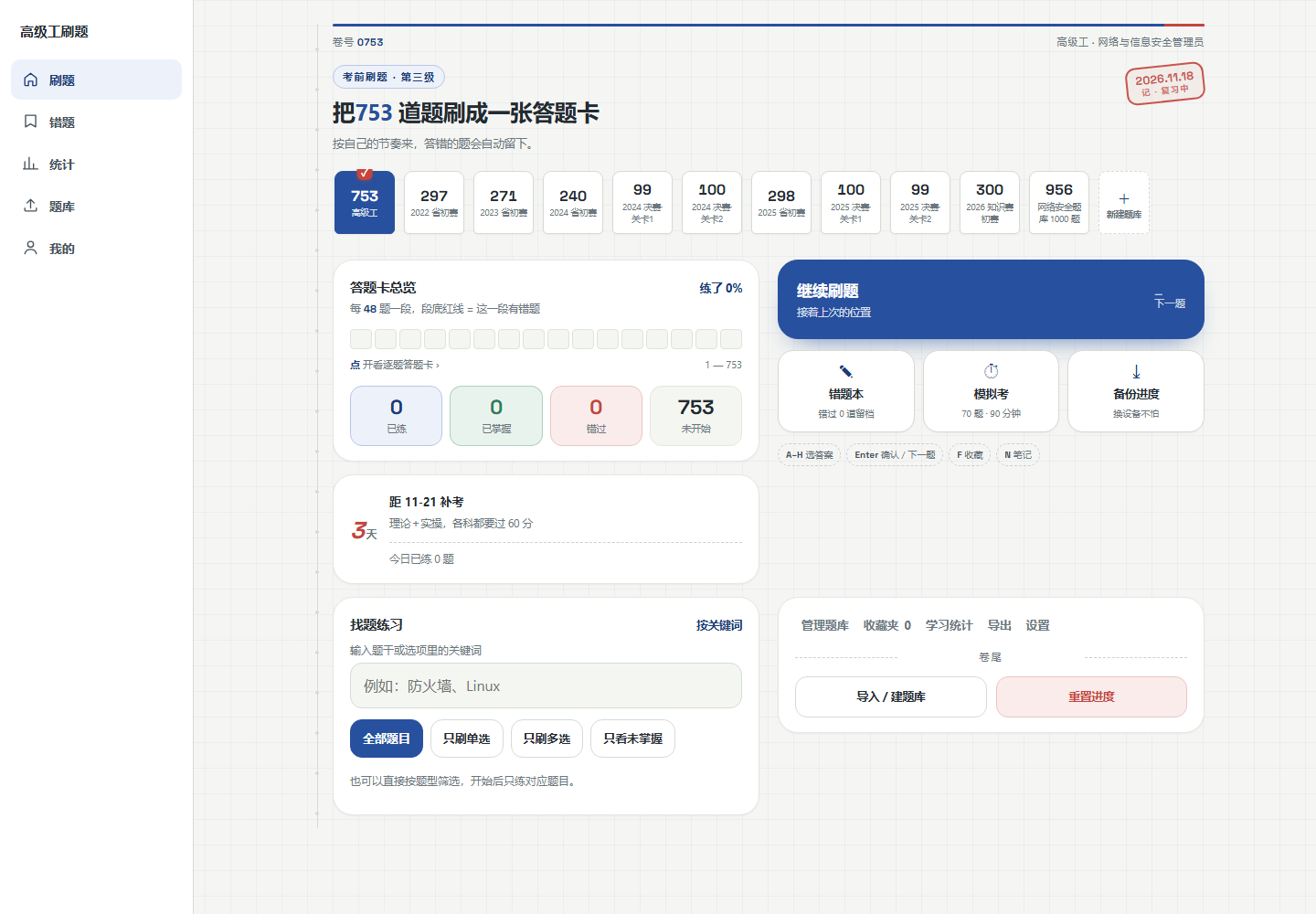
Turning a 753-question bank into something that looks and feels like a real answer sheet.

A quiz platform for a professional certification, with 753 built-in questions, eleven question banks, an error book, notes and daily goals. Its signature is a full "answer-sheet" visual language I designed: graph-paper texture, ink-blue filled cells, red-pen corrections and a 753-cell progress grid that makes studying feel tangible.

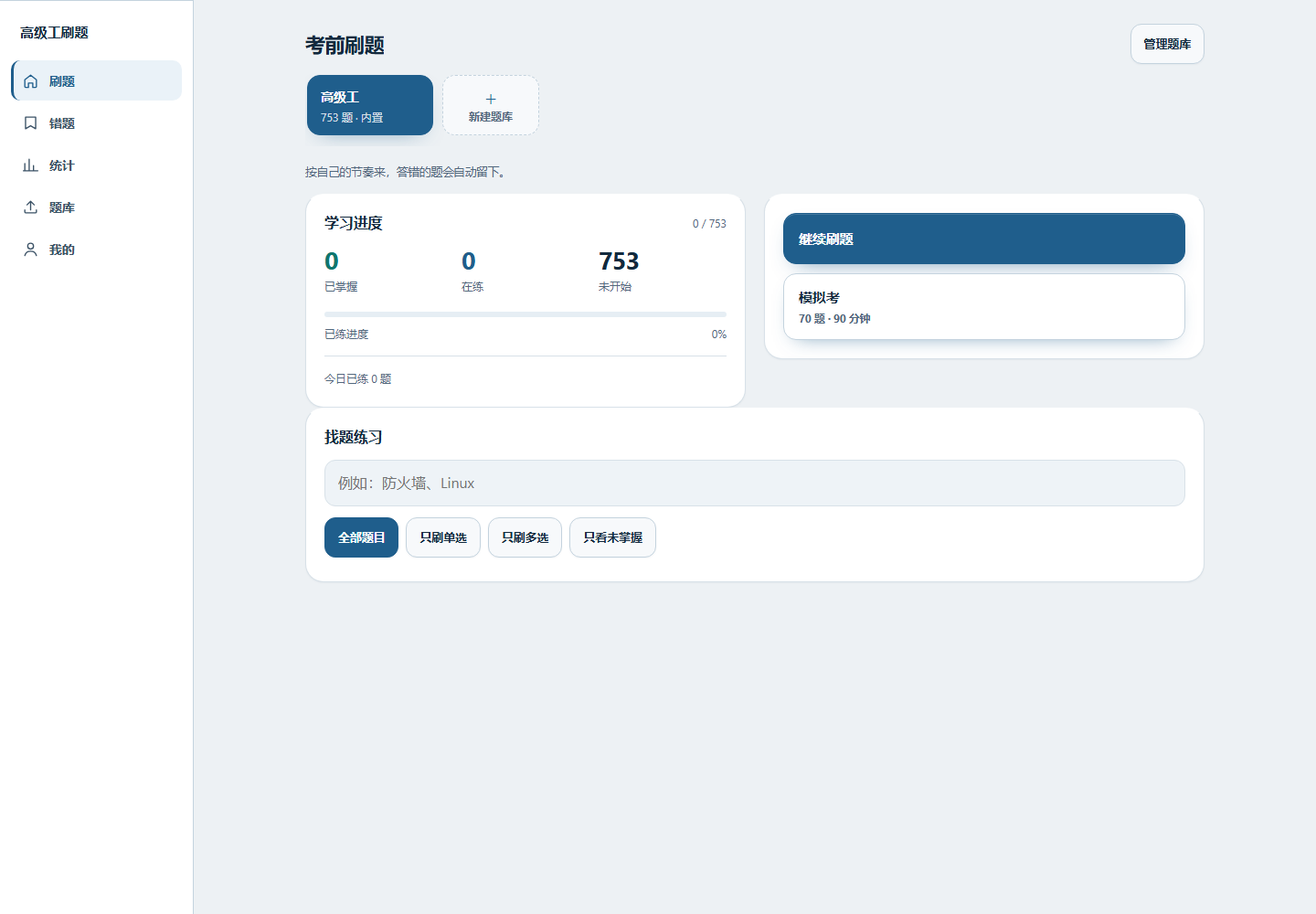
I rebuilt the entire interface without touching the logic or data — a study in how visual design changes the emotional experience of a tool — then checked it across desktop and mobile, light and dark.

753Core questions
11Question banks
2Themes
Visual design systemData-driven UILocal storageDark mode
Visit live site ↗
Vocational Exam Quiz after the answer-sheet redesign
Vocational Exam Quiz before the redesign
BeforeAfter
‹›
Original UI → answer-sheet systemDrag to compare
02 / How I Work
Design, then
make it real.
I work at the intersection of media, interaction and engineering — a single loop from identifying a real need to shipping a working, tested product.
01 — EMPATHY

Start from a real need

Every tool solves a problem I actually had while studying. Real context produces better design decisions than assumptions.

02 — VISUAL SYSTEM

Design a language, not a page

I build coherent visual systems — the answer-sheet theme, the progress grid — so an interface feels intentional and memorable.

03 — ITERATE & VERIFY

Ship, test, refine

From data pipeline to edge cases, I verify across devices and states, then keep improving based on my own daily use.

03 / About
Built to be used,
not just looked at.

I'm Runzhi Guo, a computer-science graduate based in Hangzhou. The selected work below focuses on three representative systems from a wider body of self-initiated learning tools and interactive experiments — each starting from a real problem and ending as a working product.

Additional WorkSelected from other self-initiated tools and experiments
  • Listening LabDual-source IELTS listening practice with hotlinked audio and isolated local progress
  • Campus QuestGamified orientation workspace with character building, skill trees and a shared resource hub
  • Knowledge HubPersonal research and workflow system with automated indexing and AI-readable handoff notes
  • Exam TrackerLightweight study tracker for long-term exam preparation and weekly milestones
  • Roleplay Chat InterfaceStreaming conversational UI experiment with local model routing and character states